

Peoria climate patterns shape daily comfort and long-term planning for homeowners and businesses throughout the year. Located in Illinois, Peoria experiences weather conditions that include warm summers, cool winters, and varying precipitation. Understanding weather averages, average temperature variation, and how climate and average weather year round influences indoor comfort helps residents make smart choices about HVAC cleaning, repair, and installation.
This guide outlines how Peoria weather shifts throughout the year, including precipitation, snowfall, humidity, and climate change influences. By analyzing Annual Temperature Changes in Peoria, residents can better prepare for seasonal transitions and optimize indoor climate control.
This detailed breakdown reviews average weather year round, seasonal temperature variation, rainfall, snowfall records, and how Peoria weather impacts heating, cooling, and plumbing systems. Whether you use seasonal climate data, weather stations, Peoria International Airport weather information, or meteorological databases, knowing weather Peoria patterns helps you stay ready throughout the year.
Overview of Peoria Climate
Peoria climate reflects a mix of warm summers, cold winters, and moderate humidity. Precipitation levels vary seasonally, with rain and snow most common during winter storms and spring rainfall. Normal weather conditions include sharp temperature variation between afternoon highs and nighttime lows. Annual precipitation and humidity patterns influence comfort and long-term HVAC use.
Annual Temperature Changes in Peoria
Peoria experiences hot summers and cold winters, with noticeable climate change trends affecting seasonal variation. While summers can reach the hottest average high ranges of the year, winters bring snow and occasional icy conditions. Residents often schedule HVAC cleaning and heater repair before winter arrives.
Monthly Climate and Temperature Patterns
Winter: December to February
Winter in Peoria is cool, with average temperature readings often near freezing. Nighttime lows sometimes reach the lowest temperatures recorded in the region. Occasional snowstorms produce measurable snowfall and add to snowfall records.
Homeowners should ensure furnaces and heat pumps receive seasonal service, including cleaning, repair, or installation of updated systems before winter arrives.
Spring: March to May
Weather changes quickly. Monthly temperature increases lead to mild days and cool nights. Rainfall increases and heavier precipitation influences plumbing and HVAC systems as humidity rises. Spring is a good time to check ductwork, document weather data, and clean units before summer.
Summer: June to September
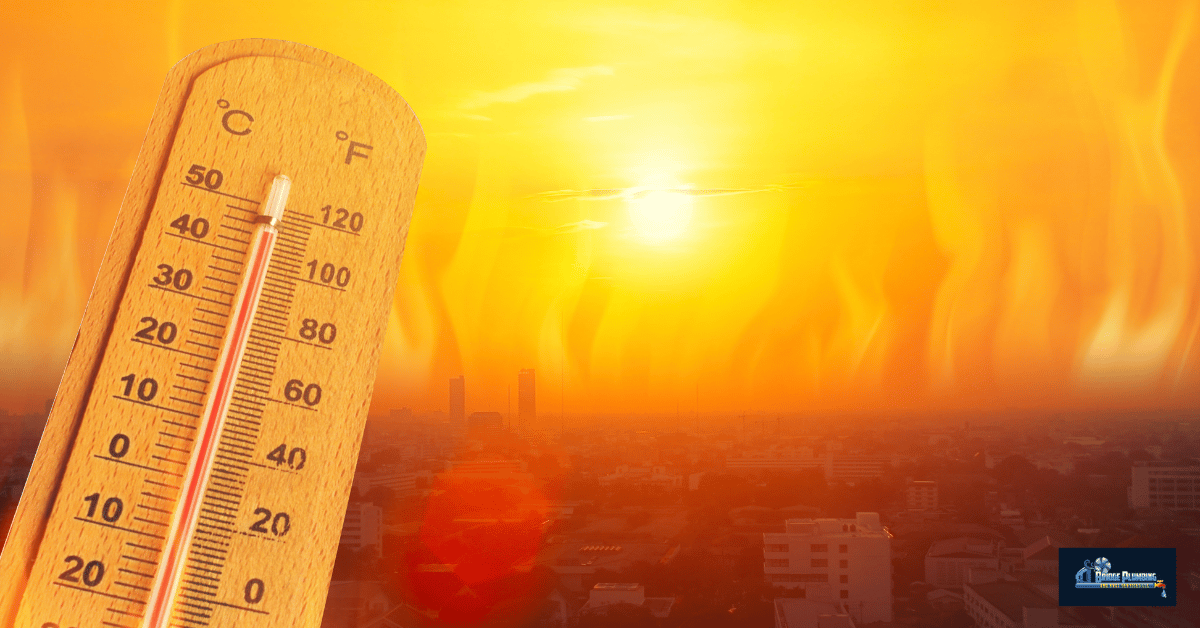
Summer brings the warmest average daily and yearly variation. The hottest days may require strong cooling, while humidity and precipitation events increase AC workload. Long days and more hours of sunshine support outdoor activity, but sudden storms may require AC repair or outdoor equipment cleaning.
Fall: October to November
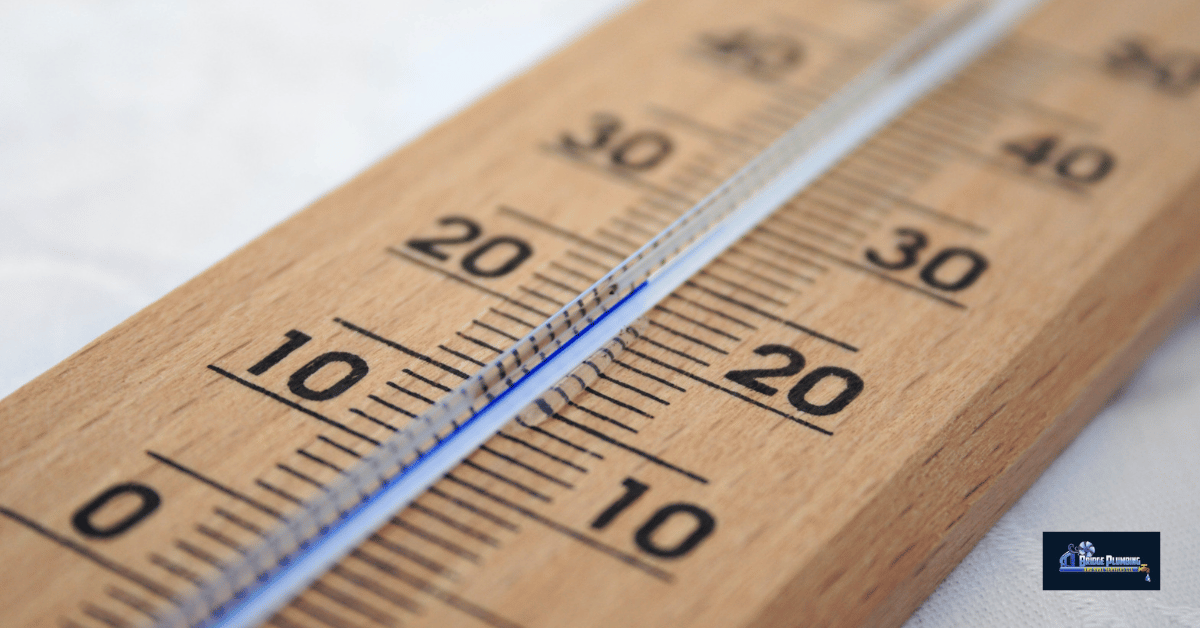
Fall offers mild weather. Weather by month shifts into cooler air and lower precipitation. Seasonal HVAC maintenance, temperature control checks, duct sealing, and water heater inspections help Peoria homes prepare for winter.
Precipitation and Snowfall in Peoria
Peoria receives annual precipitation throughout the year, with rainfall most common in spring and summer. Rain and snow influence indoor humidity and temperature control. Snowfall records occur mostly in winter, with average snowfall levels changing yearly.
Heating system installation and plumbing cleaning help prevent winter issues. Rain and snow can add moisture to basements, affecting comfort and indoor air quality.
Peoria Weather Averages and Records
Weather averages show significant variation in average temperature between seasons. All-time records show some of the hottest days in July and the lowest temperatures in January. Cloud cover changes throughout the year, affecting daylight and sunrise and sunset visibility.
Climate data from weather stations and Peoria International Airport provide meteorological information on precipitation, snowfall, and temperature trends. Variations in dew point, wind speed, wind variation, and cloudy days help define daily comfort.
Seasonal Humidity and Cloud Cover
Humidity shifts throughout the seasons. Dew point and cloud cover influence how cool or warm the air feels. Humid periods increase AC demand. Cloudy skies reduce hours of sunshine and lower daily temperatures.
Cleaning and repair of HVAC systems help stabilize comfort during humid periods.
Fire Weather Risks and Wind Conditions
Peoria weather sometimes includes fire weather alerts when conditions become dry and windy. Wind speed impacts cooling and heating efficiency. Windy days increase risk for debris buildup near outdoor HVAC units, which may require cleaning.
Climate Change and Long-Term Trends
Climate change impacts Peoria with increased seasonal variation, warmer summer highs, and shifting precipitation patterns. Snowfall and rainfall levels vary year to year. A 30-year period from 1991-2020 shows rising average temperature and changing annual precipitation.
Monitoring climate change patterns helps homeowners plan HVAC installation, duct cleaning, and system repair.
How Weather Conditions Affect HVAC Systems
Heating and cooling demand respond to Peoria weather patterns. Summer heat increases AC usage, requiring regular cleaning and maintenance. Winter nights increase heating demand. Weather by month impacts scheduling of repair and installation services.
Plumbing systems can react to sudden temperature drops, and water heater repair may be needed more often in winter.
Seasonal HVAC and Plumbing Tips
You can protect your home year round by planning maintenance and cleaning around seasonal weather.
Helpful steps:
- Clean HVAC filters
- Inspect and repair ductwork
- Schedule seasonal HVAC installation or repair
- Use insulation during winter
- Check water heaters before cold periods
- Update thermostats for seasonal weather averages
Good seasonal upkeep prevents emergency calls and sudden breakdowns.
When to Contact Peoria HVAC or Plumbing Experts
Call for professional Plumbing help when you notice:
- Unusual temperature variation indoors
- Short AC or furnace cycles
- Water pressure changes
- Frozen or leaking pipes
- Repeated heating repair issues
- AC or furnace shutdown during extreme weather
Local experts can help with proper cleaning, repair, or installation to maintain comfort throughout the year.