
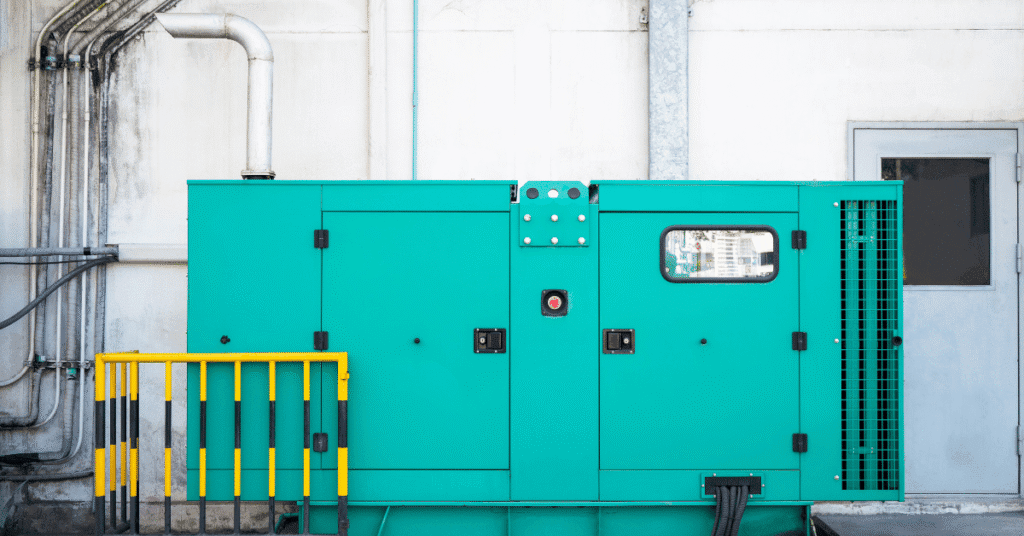
Power outages are not just an inconvenience; they can disrupt daily routines, damage appliances, and even pose safety risks. Families in Peoria and across Arizona know how difficult it is to deal with extreme heat or cold without working air conditioning or heating. For households with medical equipment or children, a reliable home generator is not optional it’s essential.
When the lights go out, a generator for home use ensures that your household keeps running. It protects food from spoiling, powers your HVAC system, and allows you to stay connected. With unpredictable weather and aging power grids, having a standby generator or portable generator in place provides peace of mind that your home will continue functioning even when the neighborhood goes dark.
Types of Home Generators to Consider
Not every generator is designed the same way. Choosing the best home option depends on your budget, home size, and what you want to keep running during a power outage.
Portable Generators
Portable generators are the most common entry-level choice. They are compact, easy to move, and affordable compared to larger units. Homeowners often use them to power essentials like refrigerators, lights, or a few electronics. While effective for short outages, they typically require manual setup, an extension cord, and regular cleaning to avoid issues with the carburetor or fuel system.
Standby Generators
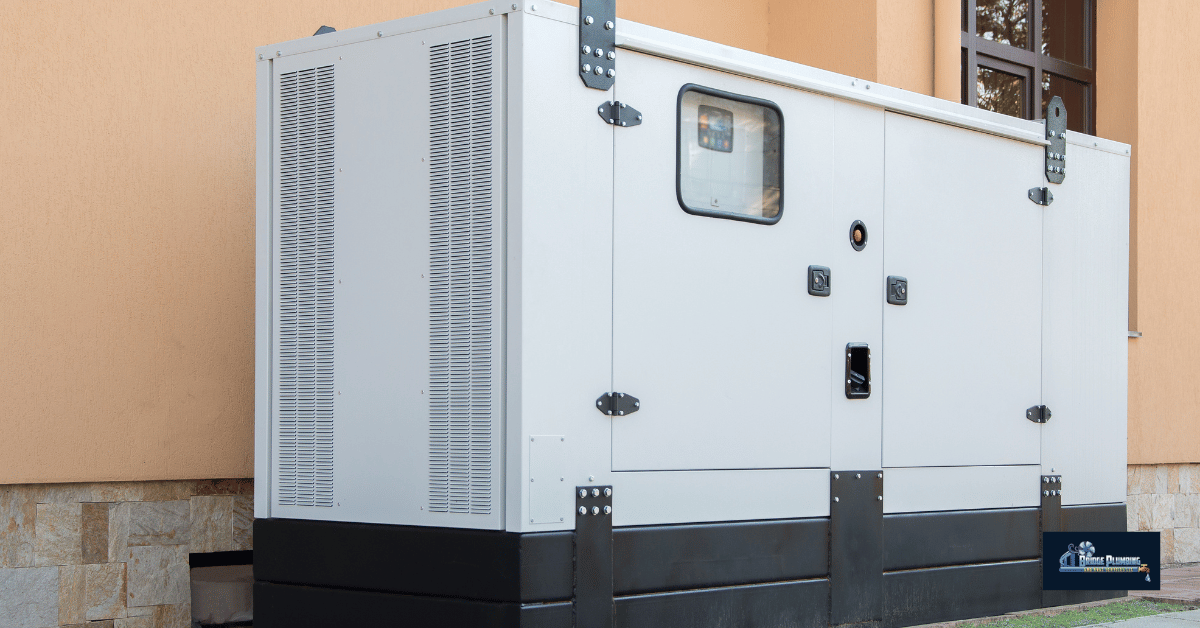
Standby generators are permanently installed outside your home and connected directly to your electrical panel with a transfer switch or automatic transfer switch. When the power goes out, they turn on automatically within seconds. This option is ideal for families who want uninterrupted coverage for the entire house including HVAC systems, water heaters, and security equipment. Though they require a larger upfront investment and professional installation, they are considered the most reliable option.
Inverter Generators
Inverter generators provide stable, quiet power. They’re fuel-efficient and designed for sensitive electronics such as laptops, Wi-Fi routers, and televisions. These inverter models are great for smaller households or for those who want a quieter backup power source.
Factors to Keep in Mind Before Buying a Generator
Buying a generator is an investment, and making the right choice requires considering a few important factors.
- Power Capacity (Wattage): A small portable generator may run basic appliances, while a standby generator can handle a whole house.
- Fuel Type: Gas, propane, dual fuel, and natural gas options are available. Many dual fuel generators can run on natural gas or propane for added flexibility.
- Run Time: Longer outages require models with large fuel tanks or direct connection to an existing natural gas line.
- Noise Level: Quieter inverter generators generally work well in residential neighborhoods.
- Durability & Maintenance: Routine cleaning, oil changes, and minor repair work help prevent shutdowns.
Comparison of Generator Options
| Type of Generator | Average Price | Power Capacity | Pros | Cons |
| Portable Generator | $500–$2,000 | 2,000–8,000 watts | Affordable, easy to move, quick setup | Manual operation, limited runtime |
| Standby Generator | $5,000–$10,000+ | 7,000–20,000+ watts | Automatic, whole-house coverage, reliable | Higher cost, requires installation |
| Inverter Generator | $800–$4,000 | 1,500–6,000 watts | Quiet, fuel-efficient, safe for electronics | Limited capacity, more expensive per watt |
This breakdown shows that the generator you choose depends on how much power you need and how much you’re willing to invest upfront.
Installation and Safety Tips
A generator is only as good as its installation and maintenance. Improper setup can lead to hazards like carbon monoxide poisoning or damaged appliances.
Professional Installation vs DIY
While some homeowners attempt DIY, home standby generators should always be professionally installed. Licensed experts handle transfer switch wiring, grounding, and code compliance. Professional installers also calculate your power needs so you choose the best model.
Safety Guidelines for Home Generators
- Place portable generators outdoors in a well-ventilated area to avoid carbon monoxide poisoning.
- Store gas or propane safely away from heat.
- Use extension cords rated for heavy-duty power equipment.
- Test your standby generator monthly to confirm it powers up within seconds.
- Install carbon monoxide detectors for added safety.
Costs of Home Generators
The price of a generator varies depending on type and size.
- Portable Generators: $500 to $2,000. Affordable but limited to small appliances.
- Standby Generators: $5,000 to $10,000 or more, plus installation costs. Provides whole-house coverage.
- Inverter Generators: $800 to $4,000. Mid-range, safe for electronics but limited in output.
Beyond purchase, factor in fuel, cleaning, repair, and maintenance costs. Though expensive, a standby generator is a long-term investment for families who want reliable backup power.
Benefits of Having a Generator For Arizona Homes
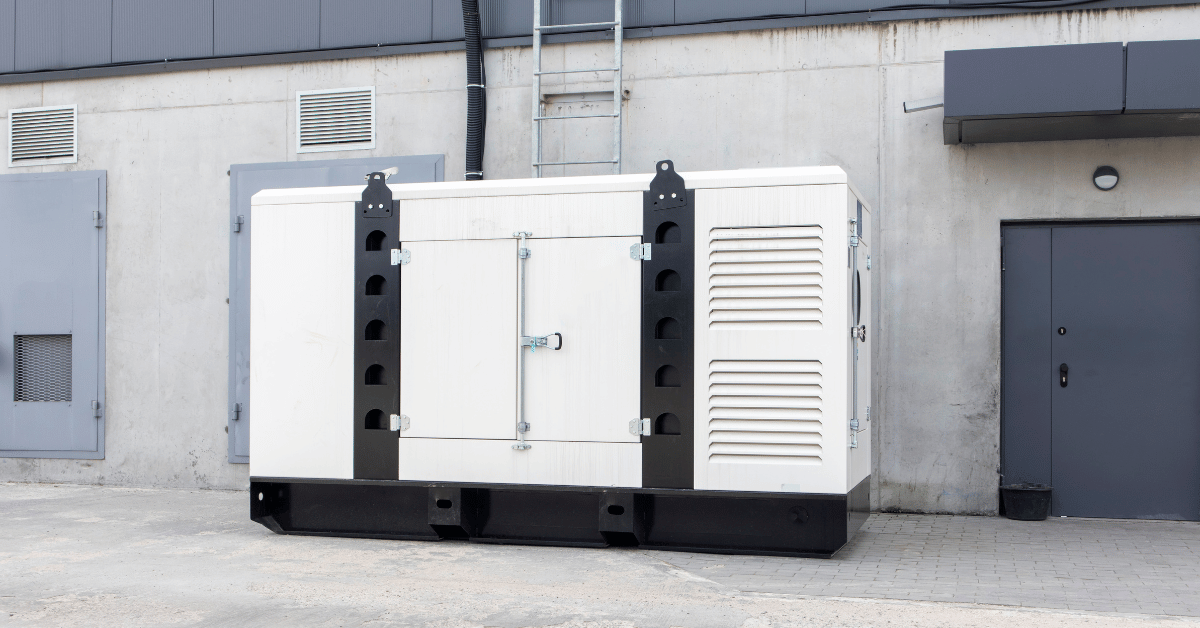
For residents of Peoria and Phoenix, the climate makes backup power even more critical. Losing electricity during peak summer can leave families exposed to extreme heat. A home backup generator ensures your air conditioner and heater keep working.
Other essential benefits include:
- Protecting food in refrigerators and freezers.
- Powering medical devices.
- Running internet and phone services.
- Maintaining lights and security systems.
Why Choose Local Experts in Peoria, AZ
Bridge Plumbing & HVAC has served Peoria and the greater Phoenix area for more than 25 years. Our services include HVAC repair, plumbing, and generator installation. We also guide homeowners on selecting the right generator brands such as Generac, Ryobi, and others.
We provide:
- Honest pricing and upfront estimates.
- Licensed technicians with experience in generator cleaning, repair, and installation.
- 24/7 emergency support for power outages.
- Tailored solutions for Arizona’s weather.
Whether you want a portable power station or a home standby generator, our team ensures safety, compliance, and reliability.
Conclusion – Choosing the Best Generator for Home
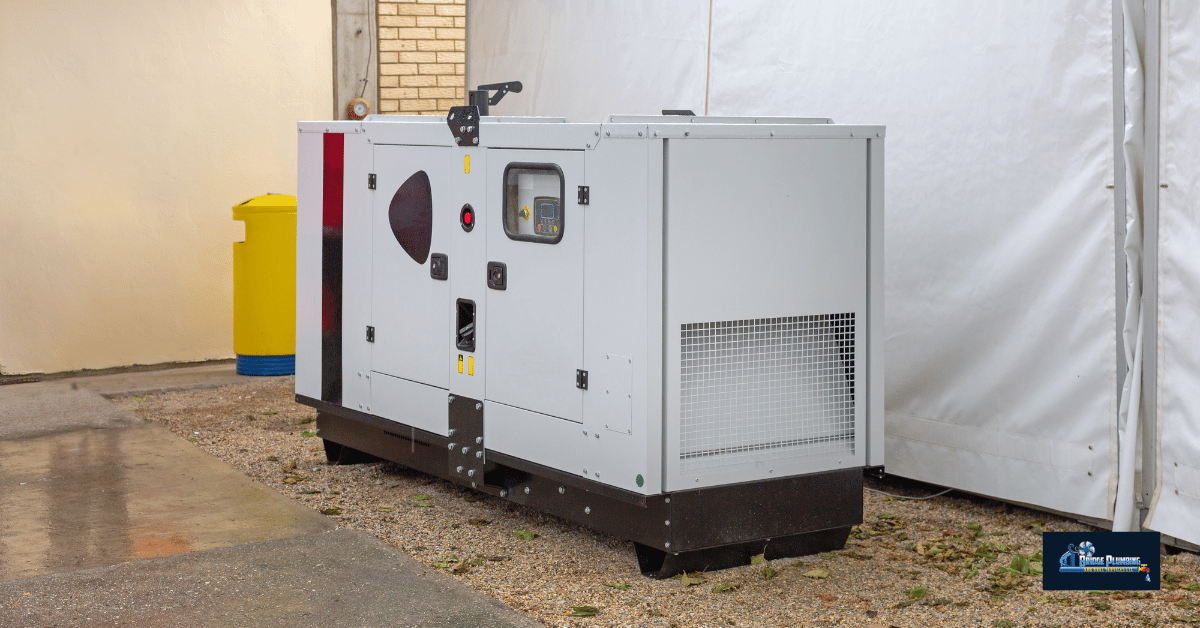
The best home generator depends on your needs, budget, and comfort. Portable generators work well for short-term outages, inverter generators offer quiet efficiency, and standby generators provide whole-house coverage.
Consider wattage, fuel type, safety features like automatic shutoff, and installation requirements. By partnering with local experts, you’ll ensure your generator can keep your family safe and your home fully powered during an emergency.