

Arizona offers beautiful desert views, warm weather, and sunny days nearly all year. But with that comes dry air, dust, pollen, and high heat that push your HVAC system and air conditioning to work harder. Many homeowners do not realize how closely their heating and cooling systems connect to the indoor air quality and the air you breathe every day. Good indoor air quality supports comfort, sleep, reduced allergy symptoms, and better respiratory health. This makes your HVAC system one of the most important defenses against indoor air pollution and airborne contaminants.
How HVAC Affects Indoor Air Quality In Arizona Homes
Whether you live in Peoria, Phoenix, or a nearby area, understanding the connection between HVAC systems and indoor air helps keep your household safe and comfortable. Proper HVAC maintenance, regular HVAC cleaning, balanced humidity, efficient ventilation, and clean air filters help prevent pollutants from building up inside your home. For many Arizona homes, HVAC units are not only about staying cool. They play a vital part in managing humidity, removing indoor pollutants, and filtering tiny pollutants that would otherwise circulate through the air inside your home.
Bridge Plumbing & HVAC has been serving phoenix homes and nearby cities for more than 25 years. The team helps families enjoy cleaner indoor environments with HVAC repair, HVAC installation, maintenance, duct cleaning, and plumbing solutions. With the right care, your HVAC system can support healthier air and a more comfortable indoor environment day and night.
What Is Indoor Air Quality and Why Does It Matter?
Indoor air quality refers to the purity of air inside your home. Good IAQ means cleaner air, fewer pollutants, comfortable humidity, and proper ventilation. Poor indoor air quality may cause itchy eyes, breathing issues, coughing, headaches, fatigue, and stronger allergy reactions. Children, seniors, and anyone with respiratory issues are most affected.
In Arizona’s dry desert conditions, air pollution and indoor air pollutants linger because homes stay closed to keep out heat. With less outdoor air circulation, contaminants accumulate inside your home.
Common indoor pollutants include
• Dust and allergens
• Pet dander
• Pollen
• Mold spores
• Smoke
• VOCs
Because your HVAC system must filter and circulate air into your home, it plays an important role in delivering cleaner air and helping improve indoor air quality.
How Arizona’s Climate Affects Indoor Air Quality
Arizona’s environment introduces unique IAQ challenges. Dry heat, monsoon air, dust storms, and wildfire smoke affect the air inside and contribute to poor air quality.
Key influences
• Dry air can lead to throat or skin irritation
• Dust storms push contaminants into indoor environment
• Pollen spikes during warm seasons
• Monsoon moisture supports mold growth
• Limited ventilation keeps stale air trapped longer
Because many homeowners keep windows closed for cool air, HVAC filters and duct systems collect buildup quickly.
How HVAC Systems Help Improve Indoor Air Quality
A well-maintained HVAC system is central to improving indoor air. HVAC stands as the primary equipment to filter and circulate air, remove contaminants, and balance indoor humidity.
Filtration
Filters trap dust, dander, pollen, contaminant, allergen, and tiny pollutant particles. High-quality HVAC filters improve indoor air quality dramatically. Clean HVAC filters help maintain cleaner air and reduce dust and allergens year-round.
Ventilation
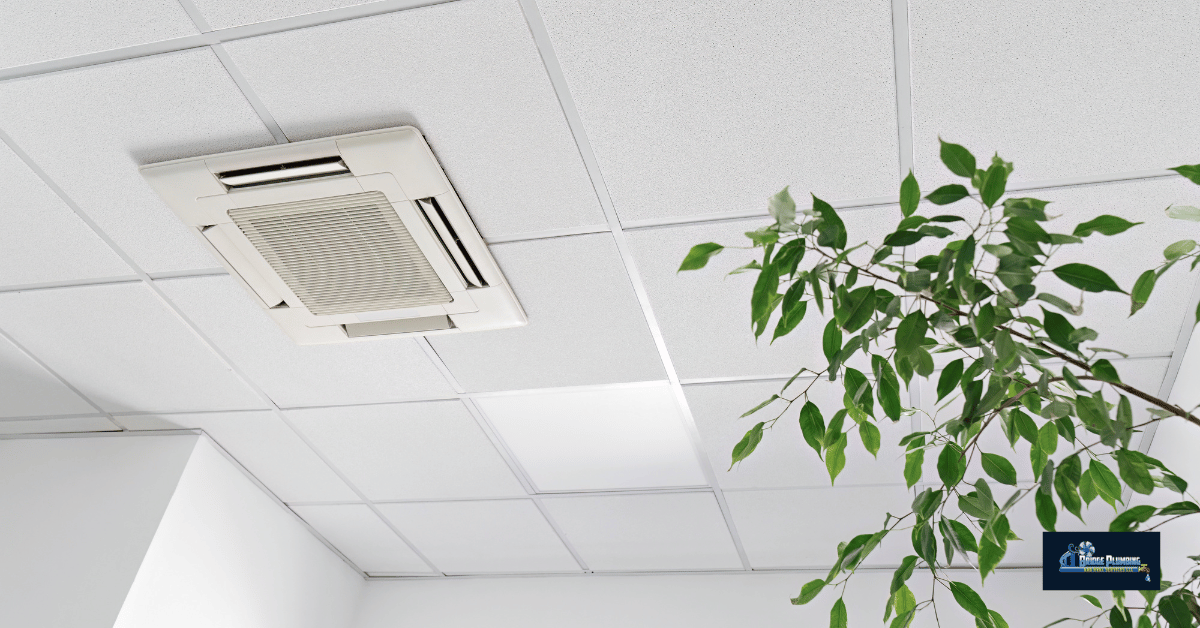
Ventilation brings clean air inside and removes stale air. This helps reduce trapped indoor air pollution and odor buildup. Central HVAC helps manage airflow through air handlers, air duct, and vents.
Humidity Control
Even Arizona’s climate needs humidity balance. Low indoor humidity irritates the throat and skin, while excess moisture allows mold spores to spread. HVAC systems help maintain moisture in the air to keep your indoor environment balanced.
Temperature
Consistent temperature lowers moisture accumulation. This prevents mold growth and supports a comfortable indoor space.
HVAC Problems That Harm Indoor Air Quality
Certain issues can reduce IAQ and cause air quality issues.
Common problems with your HVAC system
• Clogged air filters
• Dirty air duct buildup
• Poor ventilation
• Weak airflow
• Oversized or incorrect HVAC installation
• Stale air inside indoor spaces
When HVAC systems cannot filter and circulate air properly, indoor pollutants accumulate and cause respiratory irritation and increased allergy symptoms.
Common Household Pollutants in Arizona Homes
Common indoor air pollution sources include
• Desert dust
• Smoke
• Pet dander
• Mold spores
• Chemical aerosols
• Pollen
These indoor air pollutants remain trapped unless your HVAC system can filter and circulate air properly.
How to Improve Indoor Air Quality With HVAC Maintenance
Improving indoor air starts with routine cleaning and regular HVAC care.
Maintenance tips
• Replace filter every 1 to 3 months
• Clean supply and return vents
• Seal leaking duct
• Schedule seasonal HVAC service
• Consider upgraded filters
• Inspect airflow and ventilation
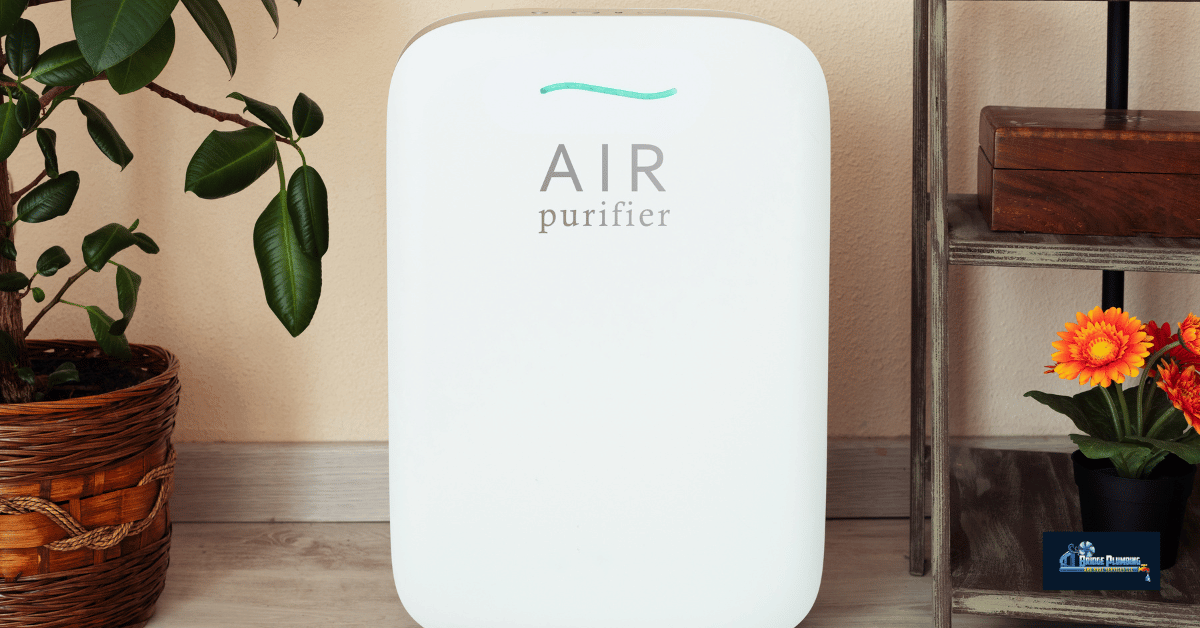
• Consider an air purifier
• Perform air duct cleaning when needed
A well-maintained HVAC system and indoor air filter help keep your indoor air quality in great shape.

Benefits of Better Indoor Air Quality
Enhanced IAQ has many health advantages.
Benefits
• Fewer allergy symptoms
• Better respiratory comfort
• Reduced coughing
• Cleaner surfaces
• Better sleep
• Improved comfort
Better indoor air provides cleaner air for kids, seniors, and pets.
Home Upgrades That Support Cleaner Air
You can enhance indoor air with HVAC strategies and optional upgrades.
Beneficial upgrades
• Air purifier
• UV light sanitation
• Whole-home humidifier
• Duct sealing
• Smart thermostats
• Ductless mini splits
UV upgrades help sanitize airflow, while ductless HVAC solutions tailored for airflow problems improve indoor circulation. Mini splits deliver cool air directly into the room without moving pollutants through old duct work.
Signs It’s Time to Call an HVAC Professional
Contact expert HVAC support when you notice:
• Weak airflow
• High utility bills
• Visible dust on vents
• Mold growth
• Hot and cold areas
• Respiratory irritation
• Persistent odor
Proper HVAC repair and cleaning restore cleaner air and fix IAQ issues.
Why Arizona Families Choose Bridge Plumbing & HVAC
For more than 25 years Bridge Plumbing & HVAC has served arizona homes with AC repair, heating installation, duct cleaning, and HVAC service. Their qualified team handles air conditioner installation, tune-ups, ductless system repairs, and full HVAC solutions tailored to local needs.
They offer emergency ac services to keep your home’s indoor air quality comfortable and keep your indoor systems running reliably. Homeowners appreciate skilled work, clean and well-maintained results, and reliable solutions.
Final Thoughts
In Arizona’s climate, the connection between HVAC and indoor air quality is important. HVAC systems remove pollutants, balance humidity, filter particles, and circulate cleaner air throughout your home. With proper care, a well-maintained HVAC system supports healthier air and prevents poor air quality.
Good filters, cleaning, repair, correct installation, and hvac strategies keep your home safe. If you are experiencing poor indoor air quality or need HVAC help in Peoria or Phoenix, Bridge Plumbing & HVAC provides expert HVAC solutions.