
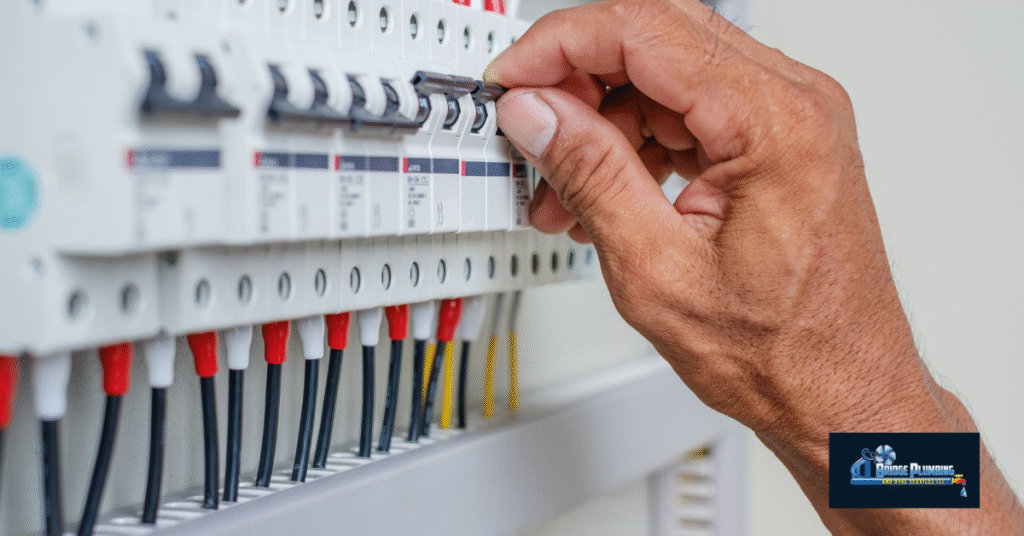
Your home’s electrical safety depends heavily on properly functioning circuit breakers. These devices prevent overloads, short circuits, and electrical fires by shutting off power during dangerous conditions. Like all mechanical components, however, breakers wear out over time. Knowing the warning signs of a bad circuit breaker can help you avoid fire risks, appliance damage, and expensive repairs.
This comprehensive guide explains how circuit breakers work, what symptoms indicate trouble, and when you should call a professional electrician for help.
What Is a Circuit Breaker and How Does It Protect Your Home?
A circuit breaker acts as your home’s electrical safeguard. Whenever a circuit draws more current than it’s designed to handle, the breaker instantly trips to prevent overheating and potential fire hazards. Each breaker is rated for a specific load, and your breaker panel distributes safe power to different areas and appliances throughout your home.
The internal mechanisms react in milliseconds to dangerous conditions. But age, wear, heat, moisture, and installation issues can gradually weaken these components. When that happens, the breakers may not respond appropriately putting your electrical system at risk.
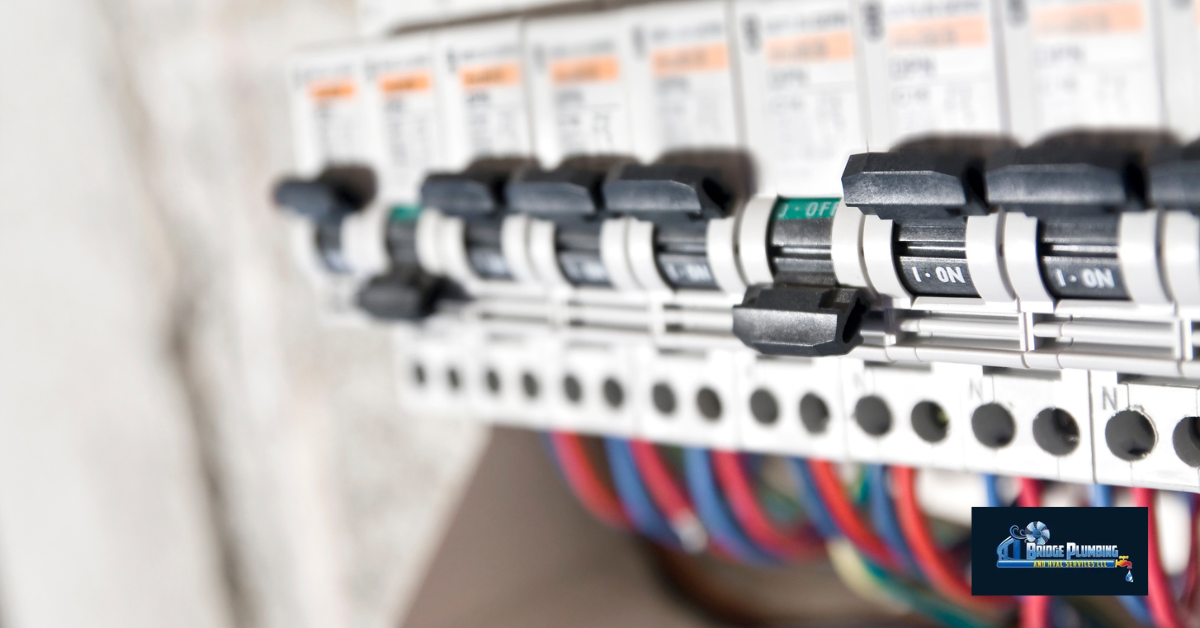
How Can You Tell If a Circuit Breaker Is Going Bad?
Identifying a failing breaker often involves watching for subtle changes over time. Familiarity with your breaker panel makes abnormalities easier to spot during routine inspections.
Common indicators of a failing breaker include:
-
Frequent trips with normal electrical usage
-
Burning smells or visible discoloration
-
Breakers that feel hot to the touch
-
Physical damage such as cracks or corrosion
-
Loose, wobbly, or unresponsive switches
-
Appliances flickering, dimming, or malfunctioning
-
Breakers that won’t stay reset
While some symptoms point to simple overloads, others warn of serious electrical issues requiring immediate attention.
Why Does Your Circuit Breaker Keep Tripping?
Frequent tripping is one of the most recognizable signs of breaker trouble. Although occasional trips can occur when too many devices run simultaneously, persistent tripping often signals deeper problems.
In many cases, tripping is caused by:
-
Circuit overloads
-
Short circuits in wiring or appliances
-
A breaker that’s weakening internally
If your breaker trips under moderate load, it may have lost its ability to handle its rated capacity. An electrician can determine whether you need a new breaker, a higher-capacity circuit, or additional circuits to distribute power safely.
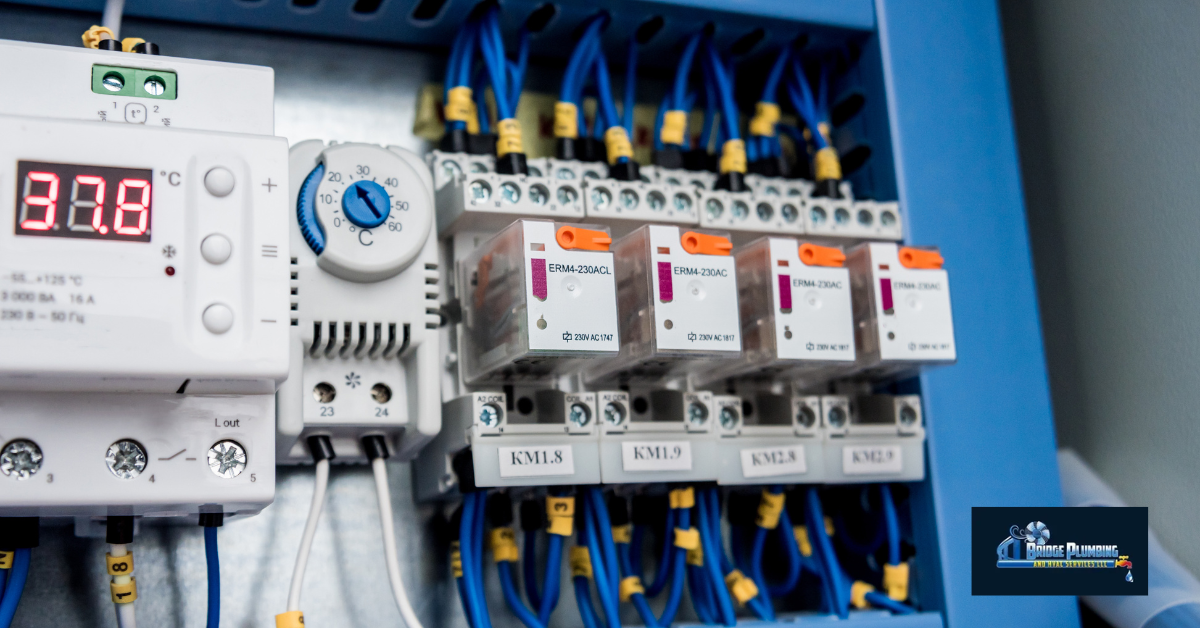
What Does a Burning Smell Around Your Breaker Panel Mean?
A burning smell near your breaker panel is a serious red flag. This odor typically indicates overheating, melting insulation, or electrical arcing any of which can lead to an electrical fire.
Look for signs such as:
-
Scorch marks
-
Melted plastic
-
Discolored breakers
-
Smoke or sizzling sounds
If you detect any of these symptoms, turn off your main breaker and call a professional immediately. Do not attempt to investigate further panels contain dangerous voltages that require expert handling.
Is Your Circuit Breaker Hot to the Touch?
A slightly warm breaker is normal during heavy use. A hot breaker, however, suggests excessive resistance or failing internal components. This heat buildup accelerates wear and can trigger device malfunctions.
Breakers powering high-draw appliances like HVAC systems or electric water heaters are especially prone to temperature issues. If one breaker feels significantly hotter than neighboring breakers, an electrician can use infrared tools to identify hot spots and determine whether replacement is necessary.
What Are the Common Signs of Physical Damage?
Visual inspection reveals many breaker problems before they escalate. Even without electrical expertise, you can spot obvious warning signs.
Typical physical issues include:
-
Cracks in the breaker casing
-
Corrosion or rust on terminals
-
Loose or mushy switches
-
Signs of moisture intrusion
-
Burn marks or melting
Any of these conditions require prompt attention, as they compromise the breaker’s ability to manage electrical hazards.
How Long Do Circuit Breakers Last?
Most circuit breakers last 25 to 40 years, though lifespan varies depending on electrical demand and environmental conditions. Older panels, particularly those in homes with increased modern electrical usage, may require upgrades even if the breakers appear functional.
Factors that shorten breaker lifespan include:
-
High heat or humidity
-
Frequent tripping
-
Heavy continuous loads
-
Poor installation practices
Breakers that protect major appliances or HVAC systems often wear out faster due to sustained electrical demands.
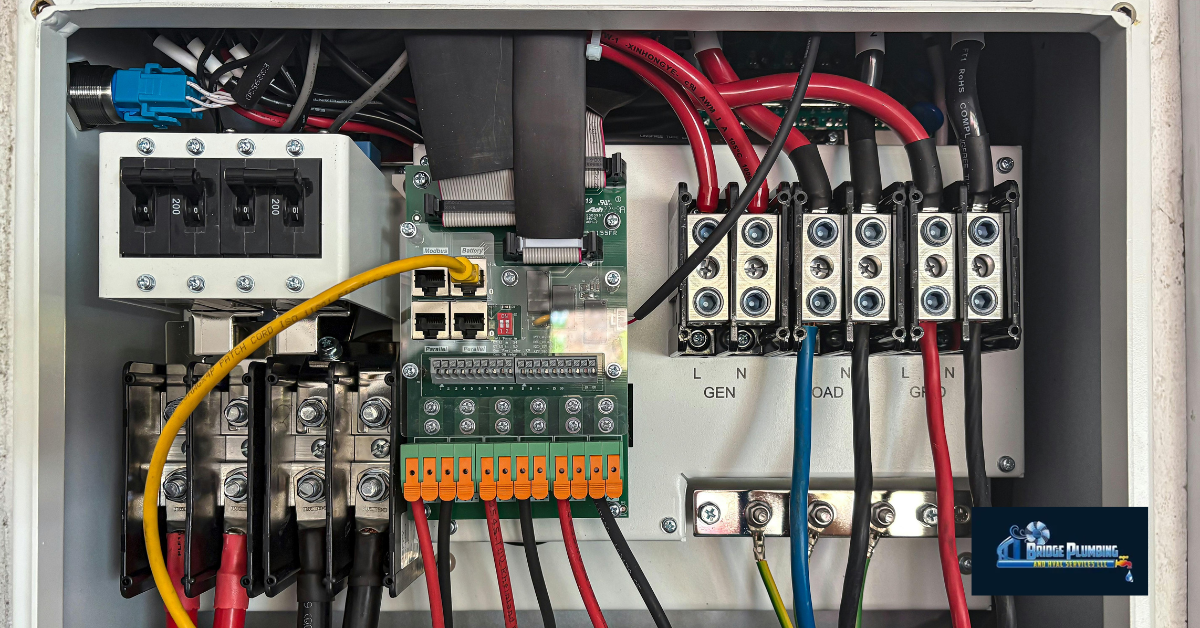
What Should You Do When a Breaker Won’t Stay Reset?
A breaker that instantly trips after you reset it indicates a persistent fault.
Try unplugging all devices on the affected circuit and then reset the breaker. If it stays on, plug devices in one at a time to find the culprit. If the breaker won’t reset even with no load, the issue may be a short circuit in the wiring or the breaker itself may be defective.
Never force a breaker into position. Mechanical failures require professional inspection and possible replacement.
Can a Circuit Breaker Fail Without Tripping?
Yes this is one of the most dangerous breaker failures. A breaker may silently stop tripping even when electrical overloads occur, allowing wires to overheat behind walls.
Signs of silent failure include:
-
Outlets or switches feeling warm
-
Lights dimming during appliance startup
-
Flickering that occurs under load
Testing for this requires specialized equipment. An electrician can check whether the breaker trips at its rated current. If not, replacement is necessary immediately.
What Causes Breakers to Go Bad Over Time?
Multiple factors contribute to breaker deterioration, including:
-
Normal mechanical wear from repeated tripping
-
Moisture and corrosion
-
Sustained overloading
-
Improper installation or loose connections
Over time, these issues reduce the breaker’s responsiveness and safety features even if the breaker looks fine externally.
When Should You Call a Professional Electrician?
While homeowners can perform basic inspections, most breaker issues require professional knowledge and tools.
Call an electrician right away if you experience:
-
Burning smells or smoke
-
Breakers that are hot to the touch
-
Inability to reset a breaker
-
Multiple breakers tripping repeatedly
-
Physical damage or corrosion
-
Flickering or dimming lights across circuits
Ignoring warning signs can lead to fire hazards or costly damage. A licensed electrician can diagnose whether you need simple breaker replacement, additional circuits, a panel upgrade, or major repairs.