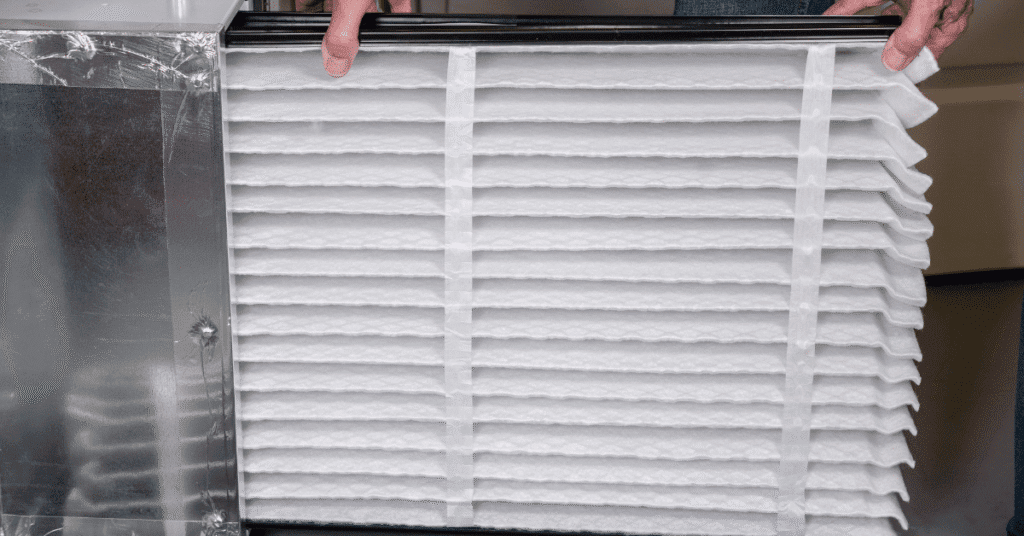
Breathing clean air indoors is essential not just for comfort but also for long-term health. Your HVAC system plays a significant role in maintaining indoor air quality, and the filter inside it is one of the most important components. The role of air filters goes far beyond catching dust; they actively support air quality management, protect your HVAC equipment, and ensure the air we breathe indoors remains healthy.
Understanding how HVAC filters are designed to trap pollutants from the air will help you make informed decisions about cleaning, repair, and installation to improve your indoor environment.
What Does an HVAC Filter Do?
An air filter is a critical part of your HVAC system. These filters are designed to trap dust, pollen, and other particles from the air before they circulate through ducts and vents. Without the right HVAC filter, particles from the air can build up inside your system, forcing the system to work harder and potentially causing breakdowns that require costly repair.
By capturing allergens and preventing indoor air pollution, filters help improve indoor air quality and ensure cleaner, healthier air throughout the home or building. In short, filters serve a crucial role in maintaining both your HVAC performance and your comfort.
Types of Air Filters
When selecting an air filter for your HVAC system, it’s important to understand the types of air filters available:
- Fiberglass Filters – Basic and inexpensive, designed to protect the system but less effective at improving air quality.
- Pleated Filters – Capture smaller particles like pet dander, contributing to healthier indoor conditions.
- Electrostatic Filters – Use static electricity to trap particles; some are washable filters and reusable.
- HEPA Filters – High-efficiency particulate air filters capable of removing microscopic pollutants.
- Activated Carbon Filters – Excellent for odor removal, working alongside other air filtration systems.
Each type of filter offers unique benefits. Choosing the right air filter depends on whether your priority is cost, allergen reduction, odor control, or extending the life of your HVAC system.
The Link Between HVAC Filters and Indoor Air Quality
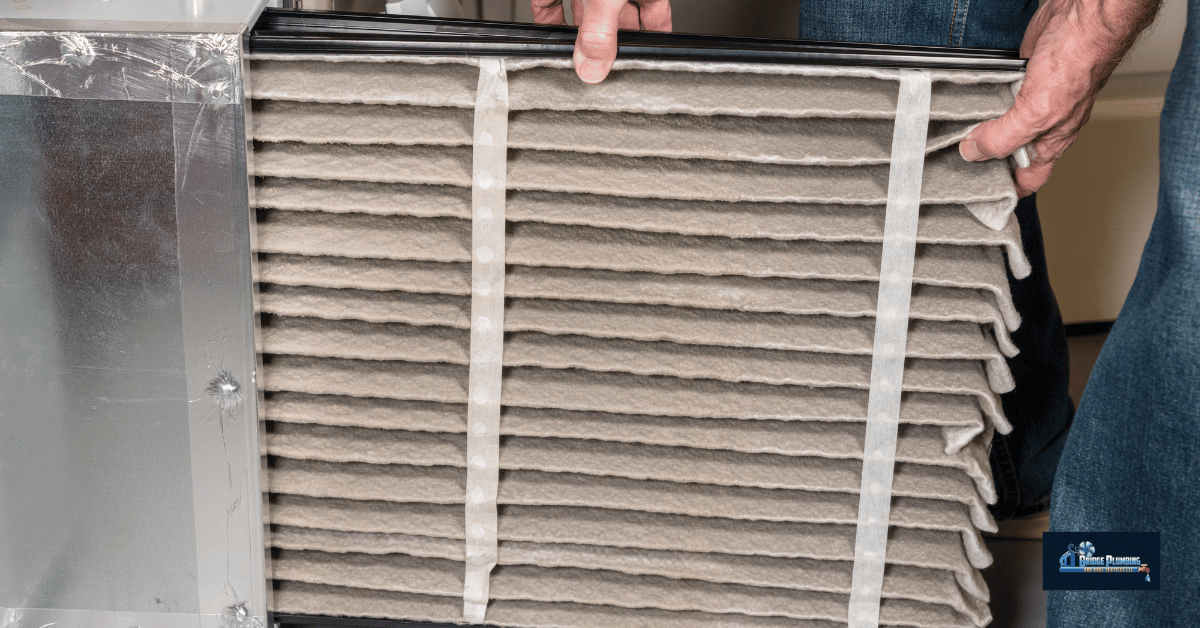
The connection between your HVAC filter and indoor air quality is undeniable. Clean filters ensure that air flows properly while removing pollutants present in the air. Dirty air filters, on the other hand, push contaminants back into your rooms, reducing good indoor air quality and making it harder to improve air quality in your home’s air.
In areas like Arizona, outdoor air filled with dust and pollen often infiltrates homes. A filter for your HVAC system helps reduce allergy symptoms, contributes to indoor air comfort, and can even improve your home’s air quality by keeping the air circulating fresh.
How Often Should You Replace Your HVAC Filters?
Filters should be replaced every 1–3 months depending on conditions. For example:
- Homes with pets or smokers need more frequent filter changes.
- Arizona dust storms can clog filters faster, requiring monthly replacement.
- High AC usage during summer makes the system work harder and shortens filter life.
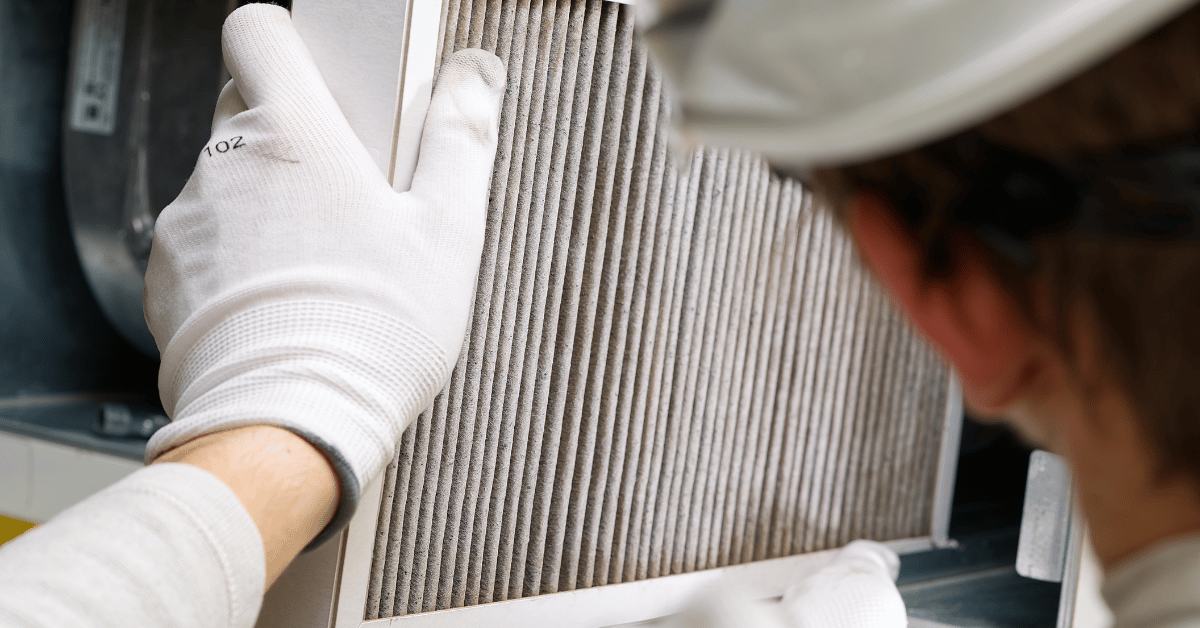
Always look for warning signs such as dirty filters, weak airflow, or rising utility bills. Timely replacement helps ensure clean air and prolongs the life of your HVAC system.
Benefits of Maintaining Air Filters
Maintaining air filters provides multiple benefits:
- Improve indoor air quality by reducing pollutants from the air.
- Enhance energy efficiency, lowering strain on your HVAC unit.
- Extend equipment life, preventing strain on your system.
- Create a healthier indoor environment for your family.
Filters offer more than comfort they play a critical role in maintaining your overall air quality but also system performance.
Common Mistakes with Filters
Homeowners often make errors such as:
- Using the wrong filter size.
- Ignoring filter changes.
- Believing expensive filters may always be better, when they sometimes cause the HVAC system to work harder to push air.
- Forgetting other maintenance tasks like ventilation cleaning and duct inspection.
Avoiding these mistakes ensures optimal air quality and reduces indoor air pollution risks.
Professional HVAC Filter Maintenance
While changing a filter is simple, professional care ensures filters play in maintaining both performance and good air quality. Technicians can check if filters are rated correctly for your system, verify air flows efficiently, and suggest high-quality filters for your specific air quality needs.
Professionals may also recommend portable air cleaners and HVAC solutions, including portable air cleaner units, to improve your home’s air quality further. This ensures that air circulating indoors remains free from contaminants, delivering clean air consistently.
Conclusion
Filters help keep the air throughout your home clean and breathable. From furnace filters to particulate air and HEPA filters, they contribute to indoor air quality by preventing pollutants from spreading. By ensuring clean air, they not only protect your health but also prevent a strain on your system and reduce repair costs.
When it comes to air quality management, both air purifiers help and air filters help create healthier indoor spaces. By scheduling regular installation, cleaning, and replacement, you can improve your indoor air quality, extend the life of your HVAC system, and enjoy good air quality throughout the home.