

Most modern homes depend on electronics every day, from HVAC systems and large appliances to televisions and computers, so What Is a Surge Protector, exactly? These electronic devices rely on delicate wiring and internal circuits. A sudden power surge or voltage spike can overload the electrical system instantly, leading to breakdowns, costly repair, or complete equipment failure.
A surge protector adds a first line of defense inside your home. It offers surge protection against excess voltage, diverting extra electricity away from your electronics, appliances, and equipment. In this comprehensive guide to surge protectors, you’ll learn how they work, the types of surge protectors available, and how Arizona homeowners can protect appliances, perform proper installation, and understand cleaning, repair, and maintenance needs.
What Is a Surge Protector?
A surge protector is a device designed to protect electronics, large appliances, and wiring in your electrical system from voltage spikes. When excess voltage enters the power supply, the protector absorbs or diverts excess voltage to the ground wire so your electronic equipment continues operating safely. This helps safeguard your home’s appliances and electronic devices.
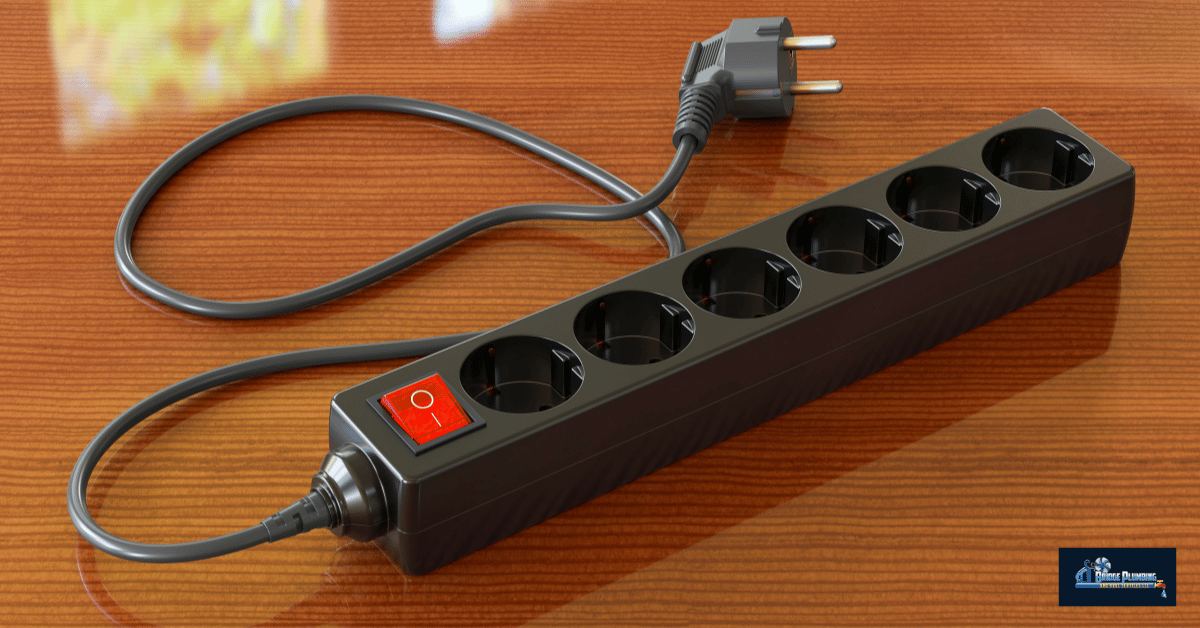
A power strip only adds outlets, while a surge protector provides actual protection against power surges. When you choose the right surge protector, you add meaningful security rather than just extra plug space.
How Do Power Surges Happen?
A power surge occurs when voltage in power lines rises above safe levels. These spikes can shorten the lifespan of appliances and electronic devices. A surge protector helps shield wiring and appliances from sudden electrical surge events.
Common type of surge causes:
- Lightning or lightning strikes
- Damaged power line
- Voltage returning after power outage
- Large appliances switching on or off
- Faulty wiring
- Utility grid problems
Arizona sees frequent lightning activity. Even without a direct lightning strike, nearby lightning can create a power surge or transient voltage surge suppressor event that harms electronics and HVAC equipment.
What Does a Surge Protector Do?
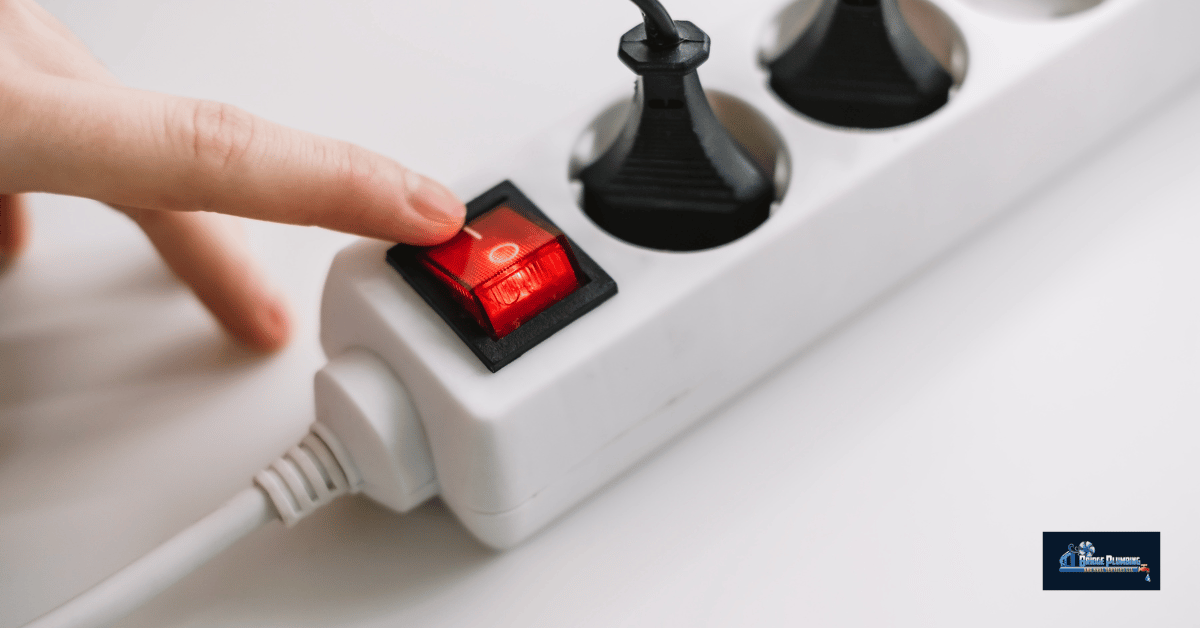
A surge protector is designed to protect electronic devices by diverting excess voltage during a voltage spike. When voltage rises, the protector absorbs extra surge current before it reaches your equipment.
Inside a surge protector, metal oxide varistors (MOVs) respond to excess voltage, diverting excess voltage toward grounding pathways. Once energy levels normalize, the protector resumes normal operation.
A surge protector may reduce permanent damage and help your system avoid emergency repair or early replacement. Over time, the protector can wear out and need to be replaced.
Types of Surge Protectors
Different types of surge protectors provide different levels of surge protection.
- Point-of-use surge protectors
These standalone surge protectors plug into nearby outlets for simple installation. They help protect computers, TVs, gaming equipment, and home offices. - Whole-home surge protectors / Whole-house surge protector
Installed at the electrical panel by an electrician, these provide extensive surge protection for every circuit in the home. Whole home surge protectors offer the best surge protection for appliances such as HVAC systems, water heaters, and large electronics. - Power strip surge protectors
A power strip may provide multiple outlets. If it includes surge suppression, it becomes a surge suppressor. These protect smaller items from power surges and voltage spikes.
Choosing surge options depends on the level of protection you need.
Key Features To Look For
When choosing surge protection, look for:
- Joule rating: How much energy the protector can handle
- Response time: Faster reaction means better protection
- UL listing: Ensures safety testing
- Outlet capacity
- Auto shutoff capability
- Installation with an electrician if attaching to the main electrical panel
Higher joule = stronger protection. The surge protector can absorb more energy before wearing out.
Signs You Need a Surge Protector
You likely need surge protection if:
- You own expensive electronics and appliances
- You notice flickering lighting
- Your home has older wiring
- Large appliances cycle frequently
- Storms and lightning are common
Even small internal surges cause long-term damage. Using a surge protector helps reduce hidden wear.
Why Surge Protectors Matter in Arizona
Arizona frequently experiences lightning, making electrical surge events common. When lightning strikes nearby, a surge may travel through power lines. High summer temperatures also cause HVAC units to switch on and off, generating internal surges.
Without surge protection, voltage spikes can harm electronic devices, HVAC parts, and large appliances.
Best Places To Install Surge Protection
Surge protector installation is most helpful near:
- Home office setups
- Entertainment spaces
- Gaming equipment
- Kitchen appliances
- HVAC and water heaters
- Garage areas
Whole-home surge protection shields the entire electrical system, while plug-in protectors guard individual electronics.
Whole-Home Surge Protection
A whole-home surge protector is installed at the main electrical panel. It blocks excess voltage as it enters your home, protecting wiring and circuits across the house.
This level of protection is ideal for:
- HVAC units
- Electric water heaters
- Refrigerators
- Freezers
- Well pumps
This installation requires a licensed electrician. Working on electrical panels and wiring can be unsafe. A trained technician ensures proper installation and sizing.
Why Your HVAC System Needs Surge Protection
HVAC equipment contains circuit boards, motors, and sensors that are sensitive to voltage spikes. A spike may cause:
- Sudden breakdowns
- Control board failure
- Motor issues
- Expensive repair
Mini-splits and heat pumps also contain delicate electronic equipment. Surge protectors provide surge protection and reduce wear.
Maintenance and Lifespan
A surge protector may degrade after repeated surges. If MOVs have absorbed significant energy, the device loses effectiveness.
Replace your protector if:
- Lights no longer indicate protection
- Your home experienced repeated lightning storms
- Electronics begin to fail unexpectedly
Routine inspection and cleaning can help determine when replacement is necessary.
Common Myths About Surge Protectors
Myth A power strip always offers protection
Truth Only a surge protection device labeled properly provides real safety.
Myth Surge suppressors last forever
Truth Components degrade over time.
Myth Surges only come from lightning
Truth Most surges originate inside homes.
Surge Protector vs Power Strip
- Power strip: Adds outlets
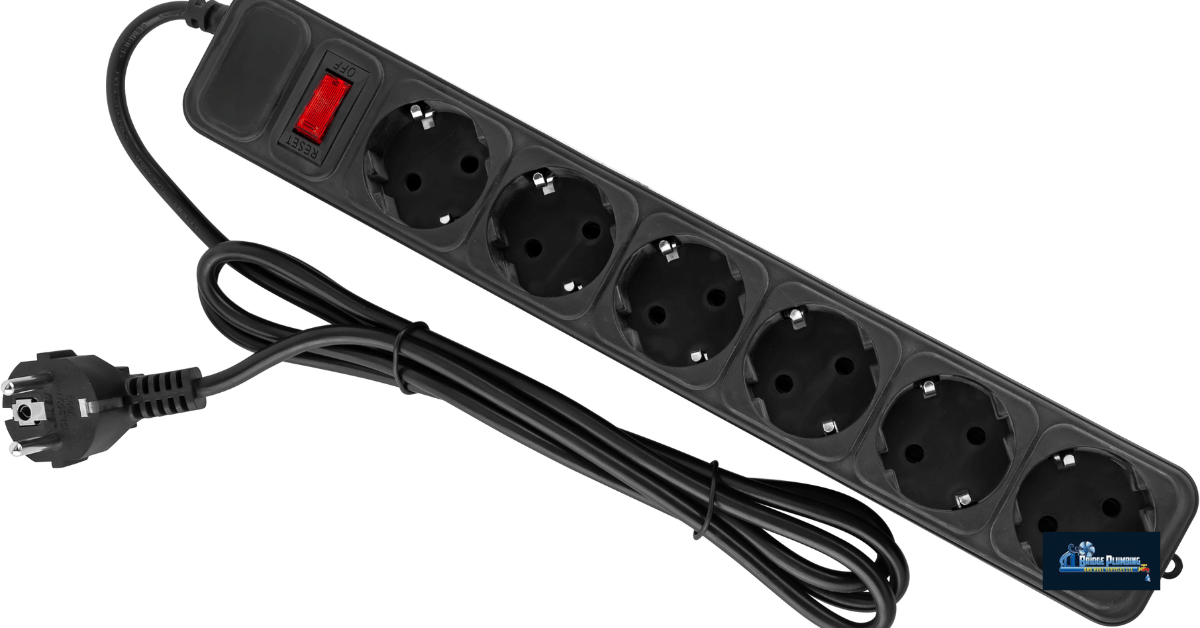
- Surge protector: Prevents voltage spikes and protects wiring, electronic devices, and large appliances
Always verify labels before installation.
Final Thoughts
From electronics to HVAC systems, a surge protector is a device designed to guard your home from voltage spikes. With Arizona’s frequent lightning and power line issues, surge protection is an effective surge solution that helps prevent expensive breakdowns and early equipment replacement. Cleaning, repair, and proper installation play essential roles in long-term performance.
Local Support From Bridge Plumbing & HVAC
Bridge Plumbing & HVAC offers expert surge protector installation and electrical work across the Phoenix Valley. Whether you need a surge protector for your computer, HVAC equipment, or whole-house electrical system, our experienced team is ready to help. We inspect, install, and repair protection systems to keep your home safe.
Frequently Asked Questions
Do I need more than one surge protector?
Yes. Whole-house surge combined with plug-in protectors gives higher level of protection.
Will a surge protector stop a fire?
It helps limit excess voltage but is not a fire-prevention tool.
Are whole-home surge protectors worth it?
Yes. They provide comprehensive protection from power surges.