
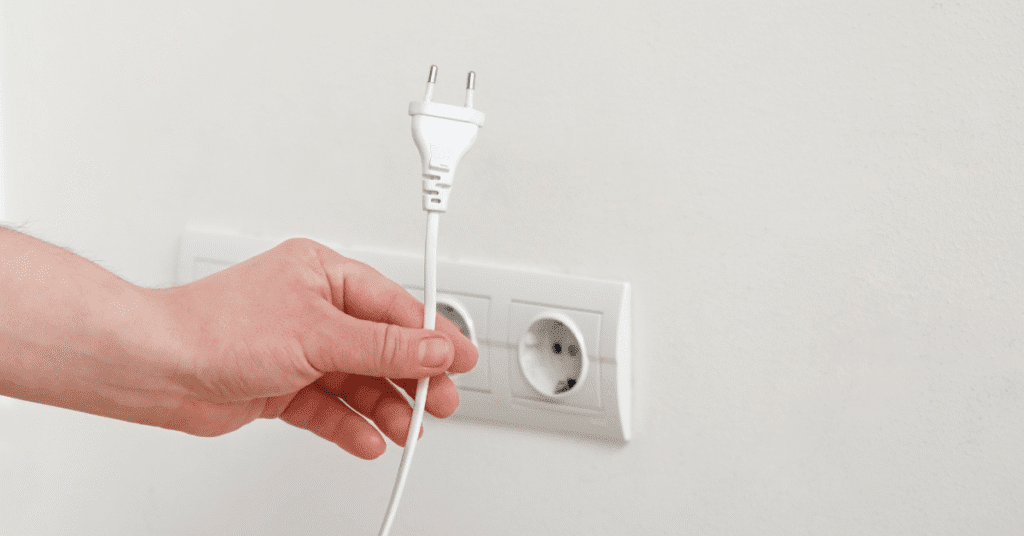
Electricity feels ordinary today. We walk into a room, flick a switch, and get electricity to power lighting and appliances without a second thought. Heating, AC, and modern electrical systems run quietly.
When Did Homes First Get Electricity?
Water heaters keep showers warm, and home electrical appliances handle tasks that once required hours of work. But this wasn’t always the case. To understand how homes became powered by electricity, and how the history of electricity shaped the modern home, we need to look at a brief history that electrified human life.
This timeline explores home electrification, the early electrical wire and lighting breakthroughs, plus the inventors who played key roles. It also touches on how electricity spread to household spaces like kitchens, rural areas, and today’s homes.
Life Before Home Electricity
Before electric light, evening lighting relied on candles, kerosene lamp use, and gas lighting. Homes had no electrical wiring or electrical system for appliances. Heating was uneven and required constant effort, since households in America depended on fireplaces or coal. Cooking and cleaning took much longer, making daily tasks demanding.
Because lighting was limited, productive hours were shorter. Reading, sewing, or working after nightfall was difficult. Household safety was also a concern, since open flames could cause fires, smoke inhalation, and dangerous indoor air conditions.
Electricity changed more than lighting. It improved comfort, safety, and daily life.
Early Experiments That Sparked the Change
While static electricity was observed early in history, practical use came in the 18th and 19th centuries. Inventor experiments showed how electric power might be captured. Alessandro Volta developed the first true battery, and Michael Faraday discovered electromagnetic induction, making generator technology possible.
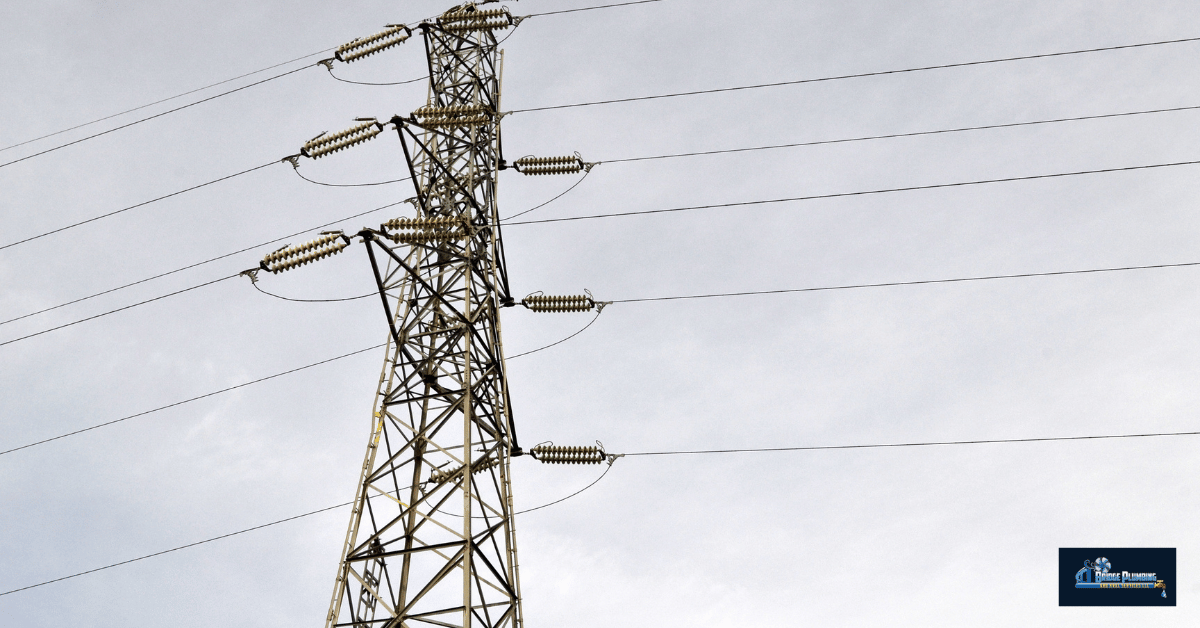
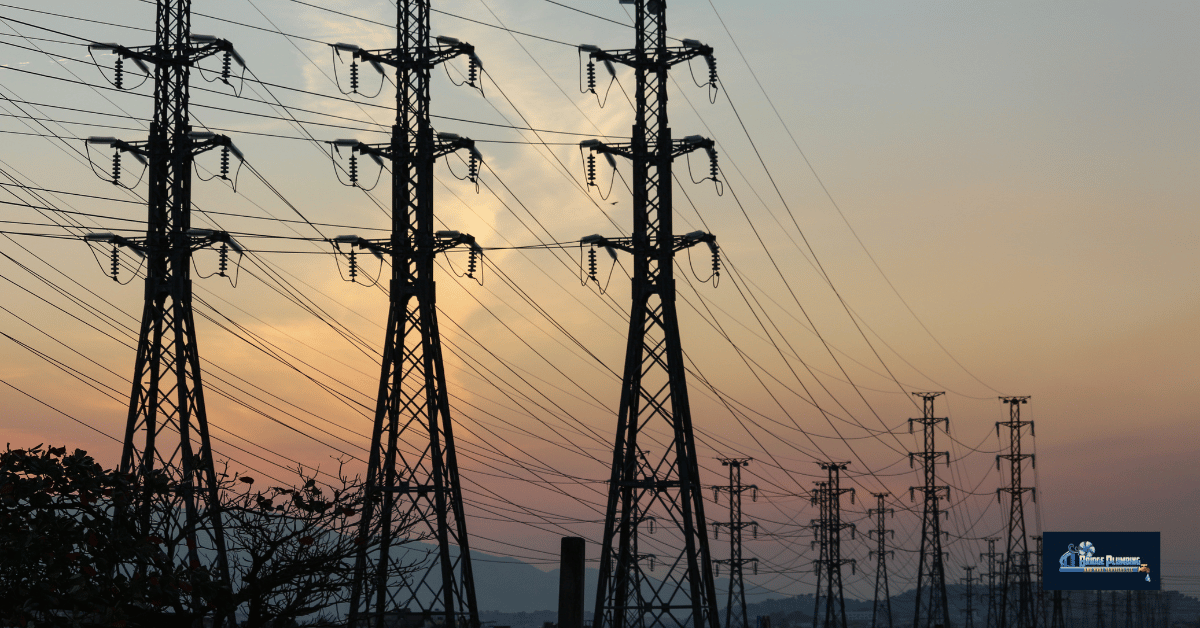
These discoveries supported early electrical current creation and transmission. This era laid the foundation for using electricity in homes, future lamp development, and long-distance power plants that would enable household access to electricity.
Thomas Edison and the First Electric Systems
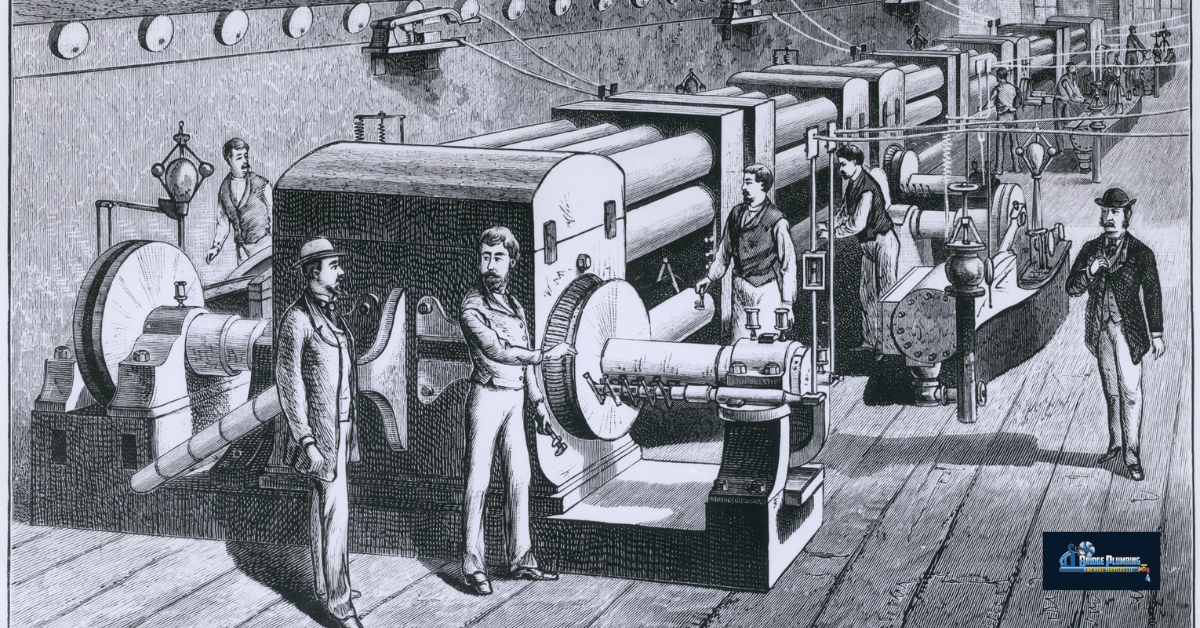
Thomas Edison is a key inventor in the history of electricity. He created the practical incandescent light bulb, designed to provide electric light for hours. Edison’s work helped electrify early households and improve lighting quality. His system relied on direct current in the early 1880s.
In 1882, the Pearl Street Station became the first commercial generator-powered electric plant supplying electricity to American homes and businesses. Though electricity wasn’t affordable for many homes at the time, this milestone marked the beginning of the electricity timeline.
When Did Homes First Get Electricity in the United States?
Homes first began to use electricity in the late 19th century. These new homes wired for electricity were found mostly in urban, wealthy neighborhoods. Many households used electricity only for lighting, since electrical appliances like the refrigerator or washing machines did not exist yet.
- Timeline
- Late 19th century
- Homes electrified in large cities
- Electric light replaced gas lighting
- First commercial electrification around 1882
- Early 1900s
- More electrical wiring installation
- Homes became able to use electricity for simple appliances
- More households in America adopted lighting
- 1920s
- Electrical appliances such as the iron, washing machines, and refrigerator became common
- Modern electrical wiring expanded across American homes
Still, many homes in rural areas waited decades before getting electricity.
Why Rural Homes Waited Longer
In the early 1900s, rural areas were harder to electrify. Power companies didn’t want to run electrical wire long distances for few customers. As a result, rural electrification lagged behind. Rural areas relied on lamps and gas lighting until the Rural Electrification Act in 1936.
FDR’s Rural Electrification Act aimed to bring electric power to rural communities. Because of this, rural electrification improved, allowing more homes to use electricity. By the 1950s, most rural homes were powered by electricity, transforming household work with appliances like pumps and refrigerators.
Electricity Spreads Across the World
The history of electricity worldwide shows different timelines:
- Europe
By the late 19th century and early 1900s, European cities began wiring homes. Rural electrification took longer. - Asia
Electricity came to major cities first, then spread outward. Access grew through the late 20th century. - Developing countries
Some regions still lack consistent electricity supply today.
Even today, electricity continues to evolve along with modern electrical systems and smart homes.
How Home Electricity Evolved Over Time
Early electric power systems supplied low-voltage lighting using simple wire and exposed electrical wiring. These areas often faced overload risk and poor electrical safety.
By the mid-1900s, circuit breakers and safer electrical wiring appeared. Homes became able to safely power multiple appliances, including AC systems, lamps, irons, and home electrical equipment. Today’s modern homes include heating, air conditioning, AC appliances, and more, relying on home electrical safety and strong electrical demand capacity.
How Electricity Changed Everyday Life
Electrifying history changed home design and daily living.
Key Improvements
- Lighting extended day hours
- Appliances made cleaning and cooking easier
- Refrigerators kept food fresh
- Water heaters improved hygiene
- AC and heating made homes more comfortable
Many homes became more productive and safer as they used electricity.
Electricity and Modern Home Comfort
Today’s homes rely on electricity for HVAC, AC, water heating, electric light, power outlets, and entertainment. Smart homes take this even further, depending on electrical wiring, electrical system management, and safe home electrical installation.
Homes to safely power multiple systems require proper electrical wiring installation, cleaning, repair, and maintenance.
Common Electrical Issues in Older Homes
Older homes built in the early 1900s may still use knob and tube wiring. These outdated electrical systems are not built for modern electrical demand or appliances. They may overload easily or need repair work by a licensed electrician.
Typical Problems
- Overload in electrical wiring
- Flickering lamp or electric light
- Breaker trips or circuit breaker issues
- Loose outlets
- Deteriorating wiring insulation
If these signs appear, call an electrician for proper inspection and repair.
Who Helps Maintain Electrical-Dependent Systems?
Electricity supports HVAC, AC installation, appliance repair, and plumbing systems. An experienced electrician or HVAC technician maintains:
- AC repair and installation
- Furnace repair
- Water heater repair
- Ductless mini split installation
- Electrical repair
- Plumbing assistance
They ensure safe electrical system performance.
Bridge Plumbing & HVAC: Serving Peoria AZ and Phoenix
Bridge Plumbing & HVAC offers skilled repair and installation services. With 25+ years experience, the team knows how to work with residential electrical and HVAC equipment, including AC, heating, and appliance-powered systems.
Services include:
- Air conditioning installation
- HVAC maintenance
- Furnace and heater repair
- Ductless mini split installation
- Water heater repair
- Plumbing repair
Emergency service is available for homeowners.
When to Call a Professional
Some electrical system issues require licensed help:
- Warning Signs
- Circuit breakers trip repeatedly
- Electric light flickers when appliances start
- Burning smell near wires
- HVAC won’t start
- Water heater fails
A professional electrician diagnoses electrical wiring problems and keeps your home safe.
Conclusion
Homes first began using electricity in the late 19th century. Edison, Nikola Tesla, electric power generation, and alternating current systems helped electrify American homes. Power plants supplied electricity to cities first, while rural homes depended on the Rural Electrification Act to get electricity later. Today’s homes rely on strong electrical systems for AC, lighting, smart homes, and appliance use.
Electrical safety and system maintenance remain essential. For repair and installation, homeowners in Peoria and Phoenix can call Bridge Plumbing & HVAC to keep systems running safely.