
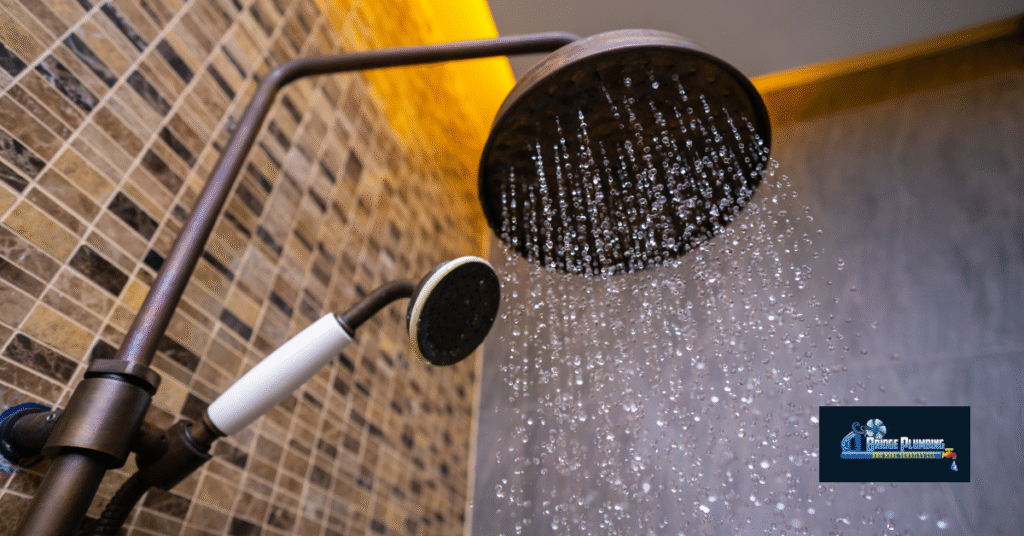
Nothing ruins a morning like stepping into the shower expecting a refreshing spray and instead getting a disappointing drizzle. When shower pressure suddenly drops, it usually means a pressure problem somewhere in the plumbing system. A sudden change in water pressure in the shower affects every part of your shower experience, leaving you frustrated and wondering what caused the issue and how you can fix it fast with proper cleaning, repair, or installation solutions.
Low water pressure in the shower is one of the most common issues homeowners face, and most common causes of low water performance are completely fixable once identified. Below are the causes of low, how to diagnose a cause of low water pressure, and the most effective ways to restore strong shower water pressure in your home.
The Showerhead is Clogged
A clogged shower head is one of the most frequent causes of low shower output because mineral buildup from hard water can block the tiny nozzles and restrict water flow. Over time, these deposits disrupt the water flow, turn a strong stream into a weak drizzle, and even push your shower into a disappointing spray pattern.
Quick cleaning and repair steps help restore proper water flow and significantly improve water performance. Try soaking and cleaning the shower head in vinegar until the water runs clear, or use a toothbrush to remove stubborn mineral deposits. If the buildup is severe or the fixture is old, consider replacing the shower hose or installing a new head for higher water flow and a more satisfying shower experience.
A Water Valve Got Turned Down
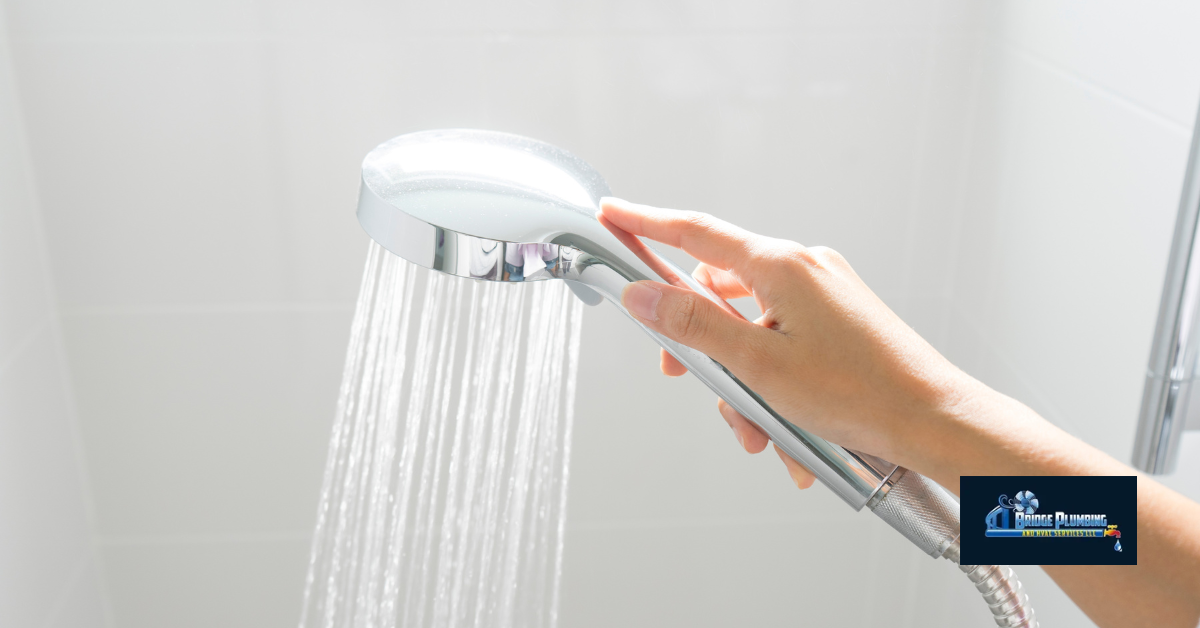
Sometimes a drop in shower pressure happens because a valve was partially closed. Even a slight turn on a water meter valve, shower valve, or fixture shutoff can restrict water and cause a sudden drop in water performance. This is common after plumbing work or accidental adjustments.
Check the main water supply first, then inspect valves that control the flow of water to the bathroom. Fully opening these controls helps restore proper water flow and resolve mild low pressure concerns before they become larger low water pressure issues.
You Have a Hidden Leak
A hidden leak is one of the common causes of low shower pressure and can create severe pressure loss across your home. When water leaks behind walls or floors, less reaches your fixtures, causing loss of water pressure and drops in pressure throughout the property.
Common signs include:
- Water stains
- Musty smells
- Increased bills
- Sounds of running water
- Warm floor spots from leaking hot and cold water lines
A leak inside your plumbing system can quickly affect water pressure. A professional repair is required to avoid serious damage and restore pressure throughout your home.
Your Water Heater Has Sediment Buildup
Another cause of low water pressure in the shower is sediment in the water heater tank. When layers of debris settle at the bottom of the tank, they can block outlets, reduce water flow, and limit the performance of both hot water and the entire system.
Test the hot and cold water separately. If cold water has normal strength but the hot side is weak, the water heater is the likely issue. Flushing the tank is an essential maintenance and cleaning step that restores ideal water pressure and prevents long-term damage.
The Pressure Regulator Failed
Your pressure regulator or water pressure regulator controls the incoming force from the municipal water supply. When it becomes worn or a faulty pressure regulator forms internally, water pressure drops across the entire house.
This type of pressure problem often appears suddenly. Testing your system with a pressure gauge helps determine whether the regulator is outside the correct pressure range. If it is, a professional installation or repair is required to stabilize water pressure in your shower and the rest of the home.
There’s a Problem with the Municipal Supply
Before calling for repair, check with neighbors. If they also experience low water pressure, the issue may come from municipal water conditions or temporary maintenance. A city-wide sudden low water pressure event can cause pressure suddenly changes.
If you are the only home affected, the cause of low shower water flow is likely inside your system, not the city’s.
Your Pipes Are Corroded or Clogged
Older plumbing lines may become corroded or clogged with mineral buildup. As corrosion narrows pipe interiors, the flow to the shower weakens, causing low shower water pressure and unstable shower water pressure.
Corroded pipes can block water flow, reduce performance in the shower, and lower your home’s water pressure. Repairing deteriorated lines or upgrading sections of your plumbing helps improve low shower performance and ensures long-term function.
How to Figure Out What’s Wrong
Start troubleshooting by comparing other fixtures. A whole-home problem indicates system-wide issues like a regulator, the water heater, or the main water supply; a single-fixture issue suggests the shower head or a nearby valve.
Checklist:
- Test both hot and cold water
- Inspect for leaks
- Fully open nearby valves
- Perform testing your shower’s water pressure
- Use a timer or a pressure gauge
- Check the water visually for sediment
These steps help identify low water pressure problems quickly.
When You Need to Call a Plumber
Some issues require professional tools and advanced diagnostics. If the pressure in a shower remains weak despite cleaning, adjustments, or flushing, you may need professional repair or installation assistance.
Call a pro if:
- Multiple fixtures have low pressure
- You suspect leaks
- The water heater needs service
- The pressure regulator needs replacement
- You have sudden drops in pressure or sudden low issues
A licensed plumber will diagnose the problem, verify whether you need pipes or installing a shower pump, and restore long-term efficiency.
Keep Your Water Pressure Strong
To maintain a strong shower experience, use routine cleaning, scheduled inspections, and preventive installation upgrades.
Maintenance tips:
- Flush the water heater annually
- Consider installing a water softener
- Inspect valves regularly
- Use a water softener can help reduce mineral buildup
- Try installing a shower pump for improved performance
- Use a power shower system if your home’s pressure is naturally low
These measures to maintain optimal shower performance ensure a reliable and refreshing flow every day.